Milton Wes Art · Harlem, NYC · Collector Resource
The surface a work is executed on is not incidental to the work. It determines how the image holds, how the work performs across changing light conditions, and how it sustains presence within the environment it enters. For serious collectors and designers, material is not a secondary consideration. It is a structural one.
Aluminum is the primary surface for one-of-one works by Corey Wesley. The choice is deliberate — and the reasons extend beyond aesthetics into the practical conditions of how art is lived with over time. Aluminum remains the most underrated medium in contemporary art, yet it is the material that serious collectors increasingly seek when they understand what presence requires.
What Aluminum Does That Other Surfaces Cannot
Paper-based works — regardless of print quality — are subject to the conditions of the environments they enter. Humidity causes warping. Light causes fading. Temperature fluctuation causes the paper to expand and contract against its frame over time. In high-use residential environments, hospitality spaces, and commercial interiors, these conditions are present daily.
Aluminum does not warp. It does not fade under normal light exposure. It does not require the protective glazing that paper works depend on — glazing that introduces reflection, reduces visual depth, and creates a barrier between the work and the viewer.
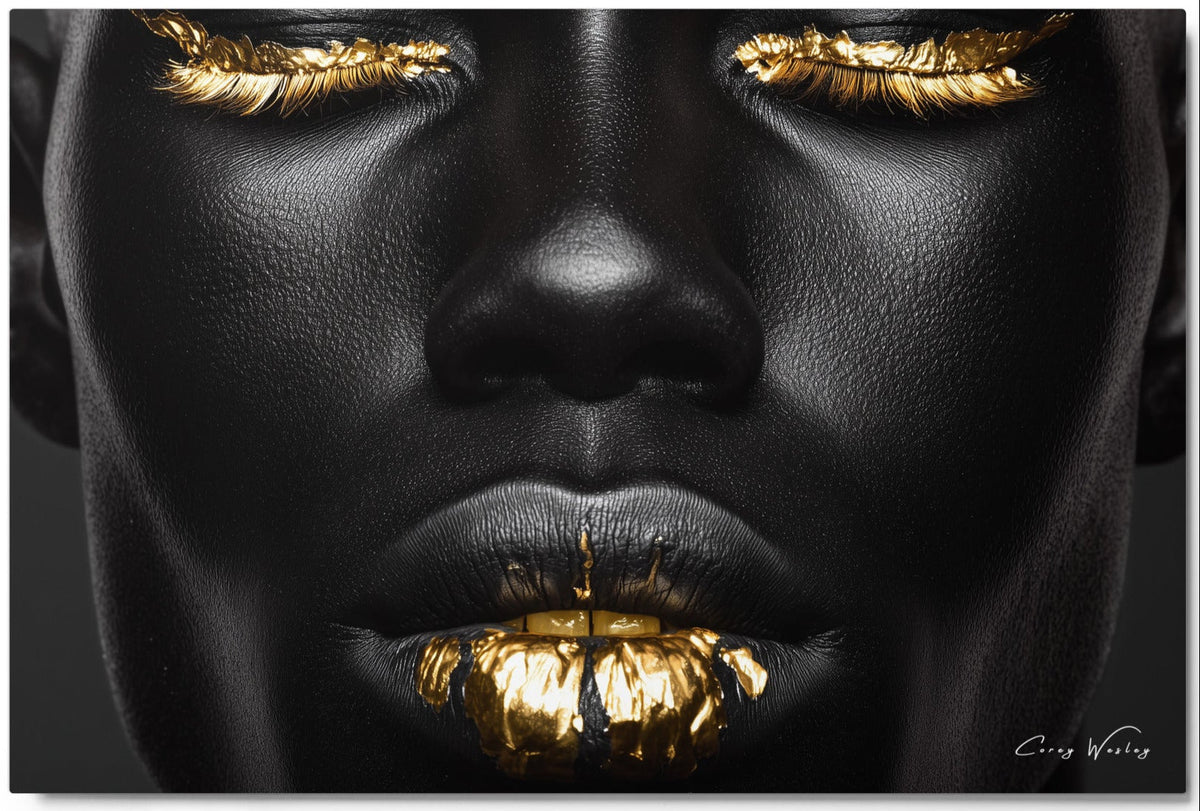
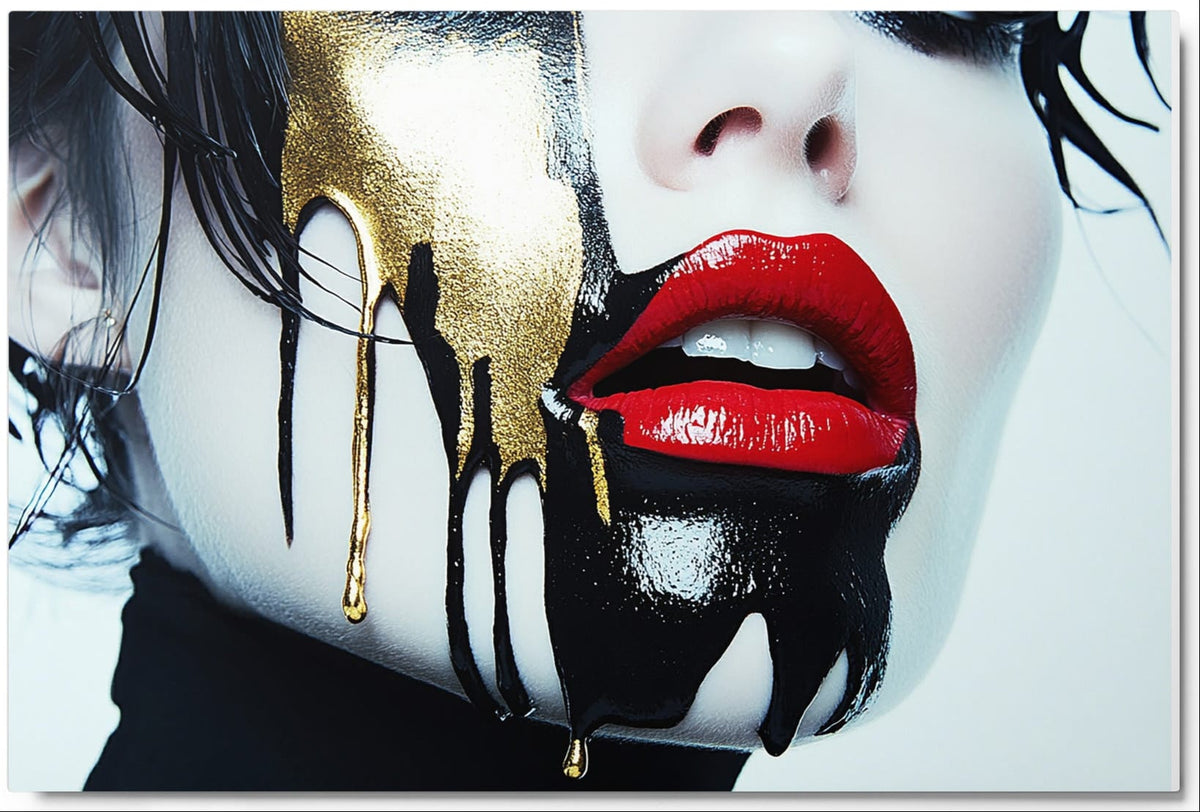
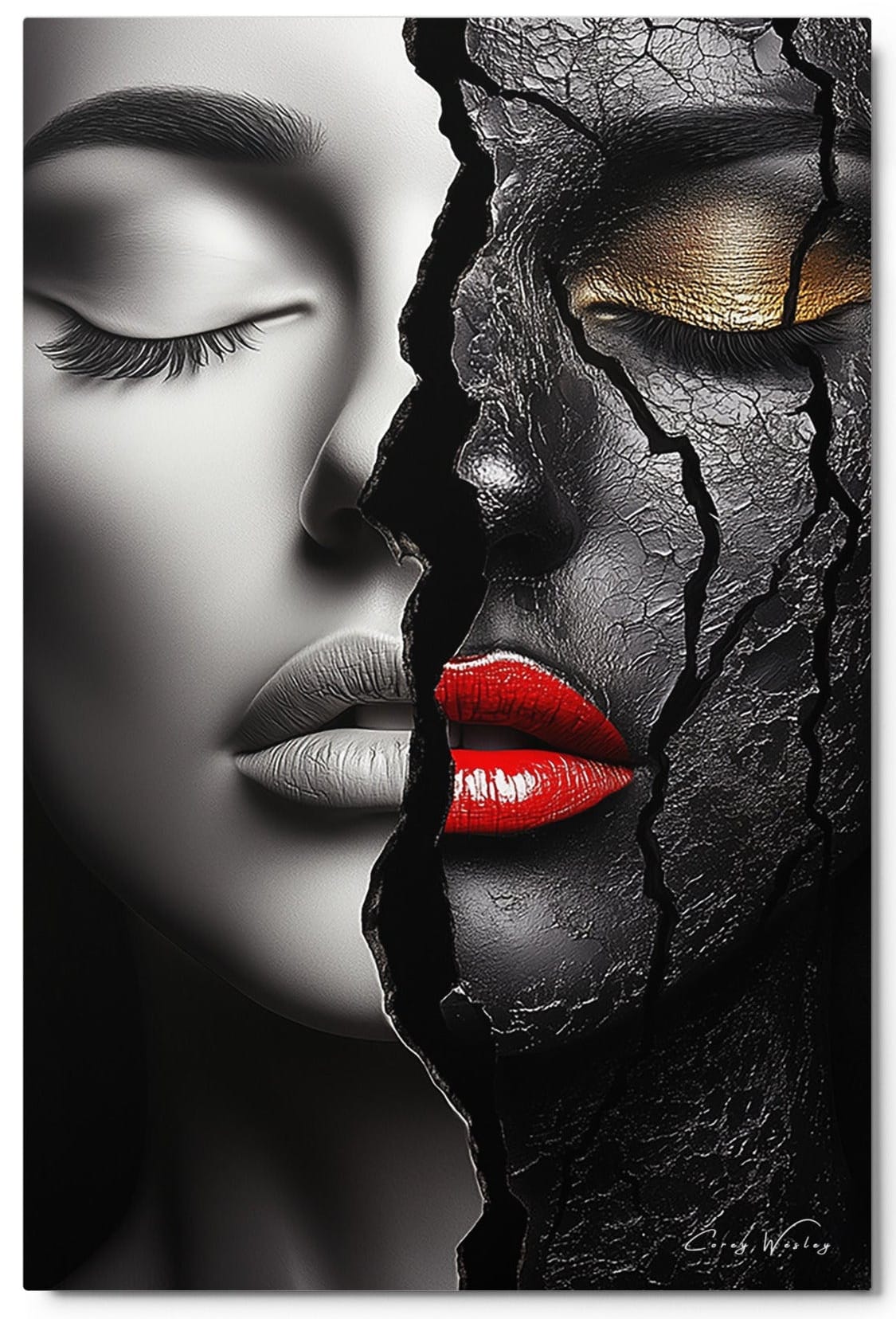
A one-of-one work like Shedding is built for exactly these conditions — the image holds at full depth whether the room is busy or quiet, and it does not degrade in the spaces it is lived in.
What the viewer encounters with an aluminum work is the image itself — at full contrast, full depth, and full presence — without the visual interference of protective glass between them and the work. This is why works like Love and Lies hold their psychological weight without compromise — the surface delivers exactly what the image demands.
The medium is not incidental. It is integral to how the work holds and commands a space.
How Aluminum Performs Across Light Conditions
One of the most significant qualities of aluminum as a surface is its behavior under varying light conditions. The glossy metal surface carries a controlled reflective depth that responds to light without becoming dependent on it. In natural light, the work reads with clarity and contrast. Under directional artificial light, the surface activates — depth increases, tonal range expands, and the work holds more presence than it would on a flat paper surface.
This matters for designers specifying work across multiple environments. A work on aluminum will perform in a sun-filled residential living room, a controlled hospitality lobby, and a directionally lit executive office — without requiring different lighting conditions to hold its presence in each. Pieces like Seconds demonstrate this range: the work reads with equal power whether it's receiving natural light or museum-quality directional lighting.
Installation and Practical Considerations
Each aluminum work by Corey Wesley is mounted to an MDF wood frame and includes a French cleat mounting system for secure wall installation. The work hangs approximately half an inch off the wall — creating a subtle shadow line that contributes to the sense of physical presence the surface already provides.
Installation can be completed independently by collectors or design teams, with guidance available upon request. For hospitality and commercial placements, multi-work coordination and delivery planning are available through direct inquiry.
The work arrives ready to install. No framing. No glazing. No additional preparation required before placement.
Why Material Choice Signals Seriousness
For collectors and designers who have spent time evaluating how work performs in serious environments, material choice is one of the first signals of artistic intention. An artist who has considered the surface with the same deliberateness applied to the image itself is making a statement about permanence — that the work is built to last in the environments it enters, not merely to look correct at the moment of acquisition. The psychology of collecting art reveals that serious collectors seek this permanence — they are acquiring presences that will not diminish.
Aluminum is that statement. It is a material chosen for durability, visual performance, and the kind of presence that does not diminish over time. It is the correct surface for work that is intended to anchor a space permanently — not to occupy it temporarily. The Cost of Being Seen exemplifies this: a work built to be lived with, not merely displayed.
Built to hold presence. Not to occupy space temporarily.
Framed Works — When a Contained Presentation Is Required
Select Corey Wesley works are available in a framed presentation — matte paper with mat board, housed in a black frame. This format is suited to environments where a more contained composition is required: intimate residential spaces, bedroom placements, or settings where the architecture calls for a more traditional visual weight.
Both formats are one-of-one, signed, and permanently archived upon acquisition. The format changes. The singularity does not.